World-Class Pet Care Resources

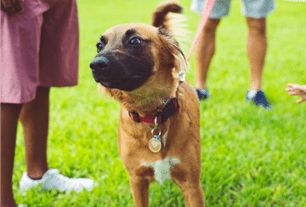
Many dog owners wonder if their pets ever feel embarrassed, just like people do. You might see your dog trip over a toy, chase its tail in circles or bark at its own reflection—and then look away as if saying, “Oops!” While dogs don’t have the same thoughts we do, they do show body language that looks a lot like embarrassment.
Dogs rely on their body language to communicate. When something unexpected happens, like slipping on a slick floor or misjudging a jump, they may suddenly freeze, tuck their tail, lower their head or lick their lips. These actions are signals that the dog feels uneasy or unsure. Scientists call these “calming signals” or “appeasement gestures.” They help dogs soothe themselves and show others they mean no harm.
Around other dogs, these signals stop fights. In our homes, they may look like an apology or awkward moment. Some experts point out that dogs have emotions similar to our basic feelings: joy, fear, anger and maybe even shame. Shame comes from knowing you did something wrong. But embarrassment is more about feeling exposed or silly in front of others. Dogs might not think, “I’m so silly,” but they do notice when their actions lead to odd reactions from people or other dogs.
Picture this: your dog tries to catch a ball but only catches air. You laugh at how silly your dog looked. Your dog may pause, look at you, tilt its head or even slink off to another room. These reactions suggest your dog noticed your laughter and felt a change in your attention.
Dogs are experts at reading our tone of voice and body language. When you laugh, your voice changes pitch and rhythm. Your face lights up or you bend over. Your dog sees these cues and may wonder why you reacted. Some dogs come closer to check if they did something wrong. Others walk away, maybe to avoid more attention. This can look like embarrassment, but it’s really your pet adapting to your feelings.
Understanding these signs can help you build a stronger bond with your dog. If your pet freezes or shows calming signals, avoid scolding. Instead, use a gentle voice and soft touch. This helps your dog learn that mistakes or funny moments are safe. Over time, your dog will feel more confident trying new things—whether it’s learning tricks, exploring new places or simply living happily in harmony with you.
In the end, while dogs may not experience embarrassment exactly like humans, they definitely pick up on how we react. By paying attention to their body language, and by sharing lots of patience and praise, you’ll help your pet feel secure, no matter how silly they act.