Looking for a convenient way to access your pet’s health records, refill prescriptions, view upcoming appointments and more? Set up your myVCA account today.
Now that summer is almost upon us, it’s a good time to review your parasite prevention plan. Fleas, ticks, heartworm and intestinal parasites can infect your cat year-round—even your indoor cat is at risk!
Did you know:
Cats can get roundworm by ingesting eggs or by hunting rodents. Queens can even pass roundworms to their kittens in their milk. Roundworms in kittens and senior cats can be life-threatening.
Hookworm larvae can hitch a ride through the skin or when your cat ingests them. Once they’ve matured to adult worms in the intestine, an infection can result in anemia, which is especially severe in kittens.
Cats can become infected with Giardia by ingesting cysts present in the feces of infected cats—whether inside or outside your home. Signs include continuous or intermittent diarrhea. Giardia can easily spread to other pets in your household.
Yes, even your indoor cat can get intestinal parasites! Parasite eggs are easily tracked into your home on your shoes. Cats, being fastidious groomers, can ingest parasite eggs from their feet while grooming.
Fleas are stubborn parasites that can cause flea allergy dermatitis (an allergy to flea saliva that causes severe itchiness) and pass tapeworms to your cat—not to mention start a flea infestation in your home.
Ticks can spread a number of serious diseases in cats. Some cause life-threatening anemia while others can cause debilitating fevers. Ticks can hitch a ride on you or your outdoor pets. It only takes one tick to cause serious illness.
In warm, humid areas of the country, both fleas and ticks thrive year-round. But even in more seasonal climates, a warm spring or fall can extend the flea and tick season up to 10 months a year, highlighting the importance of year-round protection.
Heartworm, transmitted by mosquitoes, does not just affect dogs—cats can get this deadly disease too.It often goes undiagnosed in cats and can lead to a fatal respiratory disease. Unfortunately, the first sign can be collapse or sudden death. Mosquitoes can enter your home via tiny holes in your window screens or they can follow you in through your door.
Steps you can take to prevent parasite infections in your cat:
Maintain good sanitation and daily cleaning of litter box(es) to control intestinal parasite infections.
Promptly remove feces from your yard—whether from your pet, neighborhood cats or wildlife. Wash your hands thoroughly after handling feces.
Remove shoes or boots at the door to avoid tracking parasite eggs into your home.
Control rodents in your home and yard, and discourage your cat from hunting rodents.
Remove standing water from your yard to reduce mosquito populations.
Repair window screens to prevent fleas, ticks and mosquitoes from entering your home.
During your daily snuggle, check your cat’s coat for fleas and ticks. Examine between the toes and around the ears, stomach and tail base.
Schedule yearly veterinary visits where your veterinarian can perform blood tests to screen for parasites and look for signs of fleas/ticks.
Schedule regular fecal tests with your veterinarian to test for intestinal parasites.
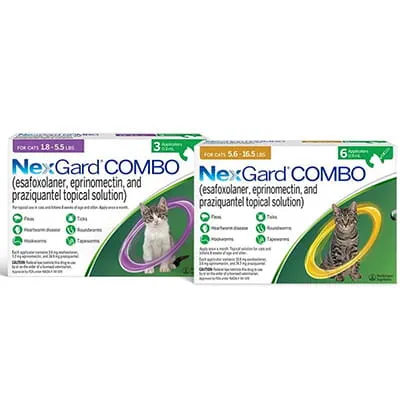
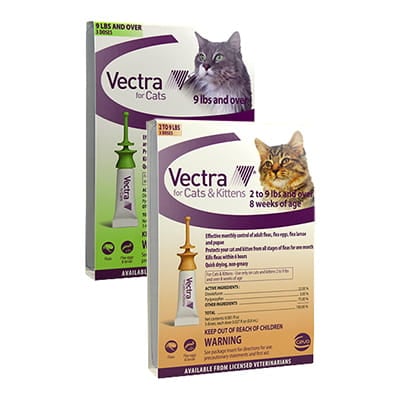
Most importantly, keep your cat on year-round parasite preventives.
Speak to your veterinarian about the best flea, tick, heartworm and internal parasite preventives to keep your cat protected year-round.