World-Class Pet Care Resources


If you have a cat scared of fireworks, you often also have a cat scared of other unexpected noises, like thunder. Both thunder and fireworks are unpredictable, loud and startling for cats and humans alike. But while some cats seem to rest calmly throughout the crashes, others become fearful and hide.
The fear of loud noises can occur for several reasons:
Controlled exposure to the sounds and experiences of storms or fireworks during the kittenhood socialization window may reduce the fear of these sounds later in life, especially if the experiences are paired with positive rewards like delicious treats and attention.
If your cat experienced something scary in association with a loud noise, they may associate fireworks with fear. For example, if your cat got out on the Fourth of July or New Year’s Eve and was repeatedly frightened by fireworks, they may react fearfully in future years.
In some cases, you may not know exactly why your cat developed a fear of fireworks or other loud noises. This noise aversion could develop slowly over time or appear suddenly. It’s best to be prepared for the anxiety that may come with loud holiday celebrations.
Cats may react to loud noises due to their acute hearing and natural survival instincts. Common reactions include:
Luckily, you have the advantage of knowing the fireworks are coming. This means you have time to prepare!
Preparation in the time leading up to the holiday will set you up for success on the day of the event. However, you’re still going to need to support your cat when the fireworks begin. Follow these tips:
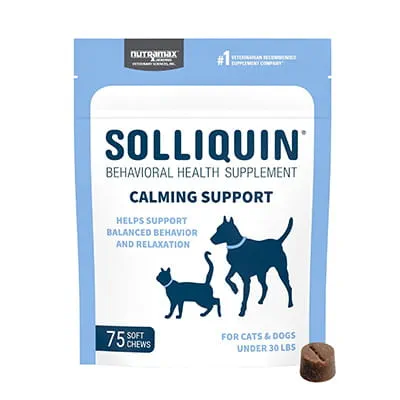
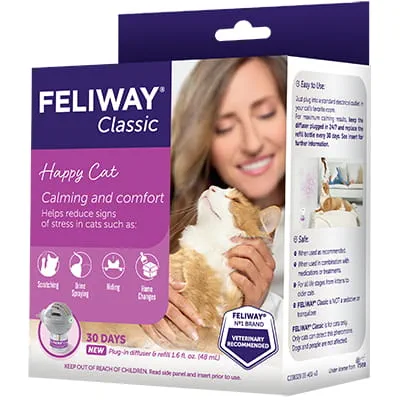
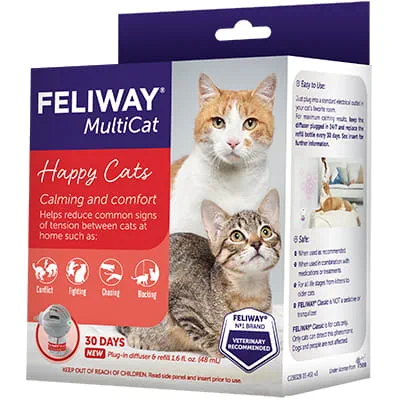
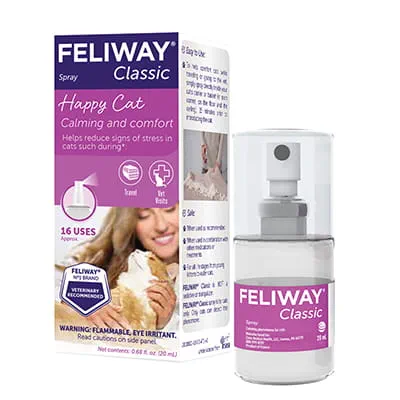
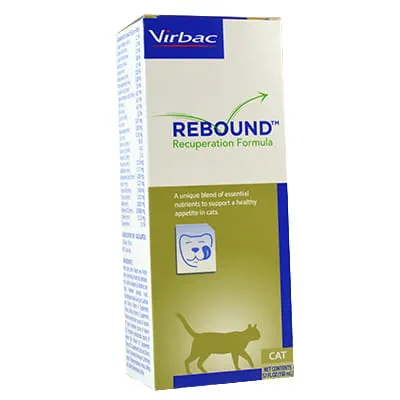
Now that you know how to calm a cat scared of loud noises, you can start planning. Browse our veterinarian-approved selection of calming supplements for cats here. >>

*Covered services vary by plan. Unlimited exams exclude specialty and telemedicine exams. Plan includes (i) one Specialty Care consult at a participating VCA Specialty Hospital and (ii) one waived fee (up to $300) for an emergency or specialty consult at a participating BluePearl Pet Hospital, per year. Fees will apply for other services or products provided, including emergency stabilization, treatment, diagnostic tests, medications, and hospitalization. Plan pricing requires 12-month commitment.
CareClub Memberships are preventive pet health care plans and not pet insurance.
CareClub Membership covers only the selected health care services and products which are specifically identified in the applicable CareClub Membership agreement.
VCA Animal Hospitals, BluePearl Pet Hospitals, and Banfield Pet Hospitals are affiliates of Mars Inc.
**Live Chat with a licensed veterinary professional is free for VCA clients through the myVCA mobile app, available at Apple’s App Store and Google Play.
Free First Exam only for new clients (including those not seen in 3+ years) and eligible existing clients adding a new pet. Limit two pets (dogs or cats only) per household. The exam includes a status check on weight, nutrition and general health, parasite discussion, dental check and vaccination overview only. Not valid toward any other services including: any specialty, emergency, telemedicine and/or urgent care veterinary services; boarding or grooming services; any diagnostics or treatments; or any vaccines, medications or retail items. Not to be combined with any other offer. Redeemable only at the VCA Animal Hospitals location listed. For pet owners who are aged 18 and older. No cash value.
Florida Residents: THE PERSON RESPONSIBLE FOR PAYMENT HAS A RIGHT TO REFUSE TO PAY, CANCEL PAYMENT, OR BE REIMBURSED FOR PAYMENT FOR ANY OTHER SERVICE, EXAMINATION, OR TREATMENT THAT IS PERFORMED AS A RESULT OF AND WITHIN 72 HOURS OF RESPONDING TO THE ADVERTISEMENT FOR THE FREE, DISCOUNTED FEE, OR REDUCED FEE SERVICE, EXAMINATION OR TREATMENT.
NJ Residents: First Exam Regular Price Range: $75 to $150. NJ Licensee: Anthony Loomis, DVM.
Free First Dose offer valid for new patients receiving a qualifying initial exam at participating VCA Animal Hospitals. Offer applies only where an eligible parasite prevention product included in the program is prescribed and dispensed during the visit, as determined by the attending veterinarian. Eligible products only; not valid toward other products or services. Limit two pets (dogs or cats only) per household. Not combinable with other offers. Must be 18 years or older. No cash value.