World-Class Pet Care Resources

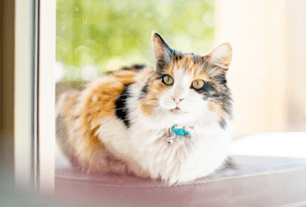
Dogs and cats aren’t just cute faces with wagging tails or happy purrs—they’re complex thinkers with brains built for sniffing, learning, stalking and balance. Let’s take a closer look at canine and feline cognition, from the size of their skull to the veterinary specialists who keep their brains healthy.
While dog and cat brains share a similar basic structure, they are wired for very different lifestyles. Dogs are social animals, and their brains reflect that with more development of the social cognition portion of the cerebral cortex. They’re tuned into human communication and thrive on teamwork. Cats, on the other paw, are more independent hunters. Their brains are built for stealth, balance, vision and quick reflexes.
You might be surprised to learn how big dogs’ brains are compared to their bodies. While dogs range in size from tiny Chihuahuas to massive great Danes, their brains are generally about 1/10th the size of their body weight. A 50-pound dog, for example, has a brain about the size of a kiwi fruit. Though small, these brains are mighty—packed with the tools dogs need to navigate the world using smell, sound and social cues. Although a cat’s brain is only about the size of a walnut, it’s surprisingly powerful—capable of both short-term and long-term memory. That means your cat can remember where you just hid a treat and also where the litter box has been for years!
Research shows that dogs have around 530 million cortical neurons—the brain cells responsible for higher-level thinking like decision making and problem solving. This gives dogs a bit of an edge over cats, who have about half that number. These extra brain cells help dogs excel at tasks like learning commands, recognizing human emotions and working cooperatively with people.
Like other mammals, cat and dog brains look similar to human brains. They’re pinkish-gray, folded and packed with familiar structures like the cerebral cortex (for thinking), cerebellum (for balance) and brainstem (for basic life functions). But one major difference? Dogs and cats have a massive olfactory bulb—proportionally far larger than ours—which explains their super-powered sense of smell.
While humans rely mostly on sight, dogs are all about smell. Their brains process scent information in incredible detail, helping them track people, objects and even emotions. The brain also coordinates learning, memory and emotional responses. Dogs are especially good at reading social cues, which is why they often seem to know exactly how we’re feeling and what we want them to do.
Learn more about how smart dogs really are in this article on canine cognition for a deeper look at how dogs learn, think and problem solve.
Dog and cat neurologists are veterinary specialists who focus on diseases and disorders of the brain, spinal cord and nerves. If a dog or cat is having seizures, trouble walking or sudden behavior changes, a veterinary neurologist can perform tests to get answers. They diagnose conditions like epilepsy, herniated discs, spinal and head injuries, and tumors in the nervous system. They can create treatment plans to help pets live happier, healthier lives.
By understanding how dog brains work and how they compare to cat brains, you can better appreciate the instincts, behaviors and abilities that make your pet so unique. Whether they’re wagging at the door or purring on a perch, their brains are always working hard behind the scenes!
Wondering what goes on in your pet’s mind when they sleep? Discover what dogs are dreaming about. >>