World-Class Pet Care Resources

True or False? The prints on your pet’s nose are as unique as fingerprints
Answer: True!
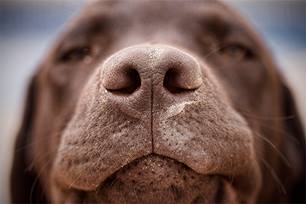
The shape of your dog’s or cat’s nostrils plus the lines and creases that make up the pattern on their nose are unique, just like your fingerprints. There has been limited research done on the topic of dog and cat noseprints, but some new information was published in 2021.
A group of scientists tested the theory that dog noseprints are unique. They discovered that by the time a puppy is just 2 months old, their noseprint is fully formed. Every month, until the group of puppies they tested were 11 months old, they took another noseprint. Each puppy’s noseprint was the same, unique pattern every month! While no studies have been done on cats, it is taken as fact that cats have unique noseprints just like dogs do.
Will noseprints become a common way to identify your pet? Maybe one day! But the most common ways to identify pets is with a tag on their collar and/or a microchip.