These worms don't cause the exact same issues in people as they do in pets. They get "lost" inside the human body, never quite reaching the gut, and instead end up in odd places. That's why people can have strange, wide-ranging symptoms from these worms, like a skin rash or a vision problem, rather than an upset stomach.
As gross as this may be, the good news is that all of this is really easy to prevent! These simple tips will keep your pet, you, and your family safe from zoonotic worms:
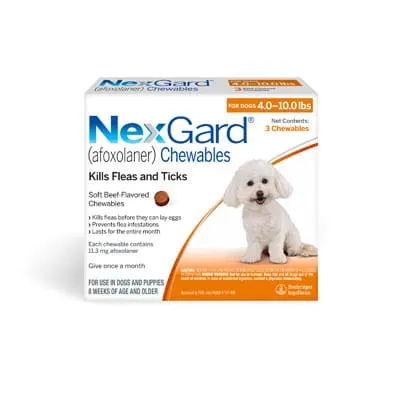
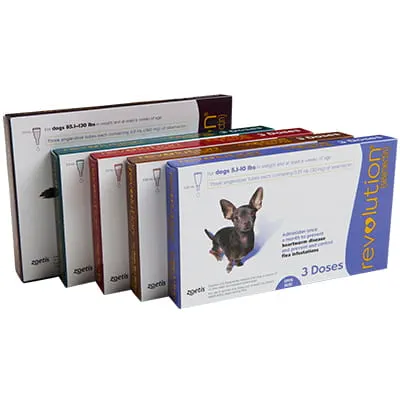
- Keep your pet on monthly heartworm prevention. Aside from protecting your pet against heartworm disease, these preventives also target intestinal worms, giving you the peace of mind that your pet is regularly being dewormed so you’re not at risk.
- Get your pet's fecal tests done on a routine basis to catch a worm problem before it becomes a long-standing issue. Your veterinarian can recommend how frequently to test based on the prevalence of worms in your area.
- Regularly pick up after your pet (every one to two days), both in the yard for dogs and the litterbox for cats. Once a week, completely empty the litterbox and wash it with soap and warm water. Always wash your hands after handling your pet’s stool, even if you were using a pet waste bag or scooper to do so.
- Try to stop pet behaviors that increase the odds of catching worms, such as eating other animals’ feces or hunting mice and other wildlife.
- Don't go barefoot in parks or beaches that may be frequented by stray dogs or cats, where you can catch worms from infected soil or sand.
- Cover children's sandboxes when not in use to prevent free-roaming cats from using them as litterboxes.