The holiday season means food and fun combined with lots of hustle and bustle! But with all that excitement comes potential holiday hazards for pets. We’ve compiled a list of easy ways to keep your pets safe during the holidays, from safe décor to food safety, helping you enjoy a festive, worry-free season!
Pet-safe holiday decorating tips
You can’t celebrate the holidays without decorations, and the key to a happy holiday is making pet-safe decorating tips part of your plan. If you put up a tree during the holidays, check out these tips for a pet-safe Christmas tree that’s both beautiful and secure.
- Choose shatterproof ornaments. Ornaments that fall and shatter can cause injury to both pets and people.
- Hang smaller ornaments toward the top of the tree to avoid choking hazards.
- Keep salt dough ornaments out of reach. They might seem like a tasty snack to exploring pets but can cause electrolyte problems if ingested.
- Skip the candy canes or only hang them out of reach. Many candy canes contain the sweetener xylitol, which causes a life-threatening drop in blood sugar and liver failure in dogs.
- Avoid using tinsel on your tree. When it comes to holiday hazards for pets, tinsel tops the list. Curious cats often can’t resist the glimmering strands, but if ingested, it can lead to dangerous intestinal issues, including blockages and a condition known as a linear foreign body.
- Be mindful of tree lights. It’s no secret that some pets, especially cats and puppies, will sometimes try to chew on wiring. Pets that chew on cords risk electric shock. Consider leaving the lower section of your tree unlit or using cord protectors. Only plug in your tree when you can supervise your pets.
- Avoid leaving food gifts under the tree. Keep presents that contain food or have food as decorations out of your pet’s reach.
Consider these other pet-safe holiday decorating tips:
- Keep candles out of reach. Your pet can injure themselves if they get too close to a flame. It only takes one flick or wag of a tail to topple a candle, leading to a fire. Instead, opt for battery-powered candles to provide a warm, cozy ambience.
- Keep decorations elevated away from chewers. Festive items like a stuffed Santa can look inviting to pets who like to chew, but if swallowed, they can cause serious problems. To avoid any mishaps, display decorations high up to avoid temptation.
Ensure your holiday foods are pet-safe
With so many delicious treats and sweets, festive celebrations can present serious holiday hazards for pets. You can prevent pet poisoning by knowing which foods are toxic to dogs and cats.
We’ve also made a list you can check twice! Avoid giving your pet:
- Fruitcakes, breads and cookies, especially if they contain raisins and currants, which can cause kidney failure in dogs. Grapes should also be avoided.
- Alcohol (and items containing alcohol) is dangerous for pets. We doubt you have plans to share your eggnog with your dog or cat, but sometimes these curious creatures like to try things out for themselves. Keep alcoholic beverages or treats like rum-soaked cakes that contain alcohol out of reach of your pets.
- Chocolate and cocoa contain theobromine, a chemical similar to caffeine that’s highly toxic to both dogs and cats. Ingestion in small amounts can cause vomiting and diarrhea, but large amounts can cause seizures and heart arrhythmias.
- Sugarless gums and candies that contain xylitol, a natural sweetener that causes a life-threatening drop in blood sugar and liver failure in dogs.
- Fatty meat scraps, including drumsticks, thighs and skin, can produce severe inflammation of the pancreas (pancreatitis), leading to abdominal pain, vomiting and bloody diarrhea.
- Leftover bones from turkey or other meats can splinter and puncture the esophagus, stomach or intestines, or become lodged, causing choking or an intestinal blockage.
- Unbaked bread dough can lead to double trouble: not only will the yeast produce alcohol, which can be rapidly absorbed into the bloodstream and cause alcohol poisoning, but the dough can expand in your pet’s stomach and result in bloat.
- Table scraps with onions, garlic or heavy seasonings can trigger stomach upset and may damage red blood cells, leading to anemia.
While your pet may tempt you or guests with their cutest puppy dog eyes, stay strong! The best gift you can give your pet is their good health. Stick to your pet’s regular food and veterinary-approved treats so they stay happy and healthy during the festivities.
Important safety note: if your pet starts drooling excessively, avoids food and experiences gastrointestinal issues, contact your local veterinary team.
Select pet-safe holiday plants
While plants can add a festive flair, keep these safety tips in mind:
- Avoid lilies. Lilies are extremely toxic to cats, causing irreversible kidney failure. Every part of the lily— even water in the vase—can result in kidney failure in cats.
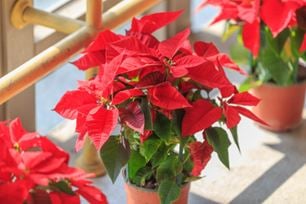
- No kissing under the mistletoe—and avoid holly and amaryllis, too. These festive favorites can cause vomiting and diarrhea. The classic poinsettias may irritate the skin, mouth or stomach, but their toxicity is overrated.
- Although a Christmas tree is not toxic, its needles don’t digest well, and its water may contain bacteria, mold or fertilizer that you definitely don’t want your pet to ingest. Clean up fallen needles and cover the water in the tree stand.
- If you want a festive plant that’s safe for pets, you could consider a holiday cactus or Phalaenopsis orchid. These plants are safe for both dogs and cats.
Beware with holiday scents
Love the smell of pine, peppermint or cinnamon during the holidays? Be careful, because many essential oils are toxic to pets and can also cause chemical burns on their skin. Additionally, inhaling diffused oils can cause aspiration pneumonia and other respiratory issues if the diffuser is used in small spaces or for long periods of time.
Stick to pet-safe scents or use diffusers in pet-free zones in your home. The following essential oils may not be safe to use with pets in the home:
- Tea tree
- Wintergreen
- Sweet birch
- Citrus
- Pine
- Ylang ylang
- Peppermint
- Cinnamon
- Pennyroyal
- Clove
- Eucalyptus
Now that you know more about holiday hazards for pets and how to keep your pets safe during the holidays, our final bit of advice is to be prepared for all the holiday "what ifs" with free Live Chat* on the myVCA app, where our licensed veterinary professionals are always ready to answer your questions anytime, day or night.
Install the myVCA App Today >>
*Live Chat with a licensed veterinary professional is free for VCA clients through the myVCA mobile app, available at Apple's App Store and Google Play.